
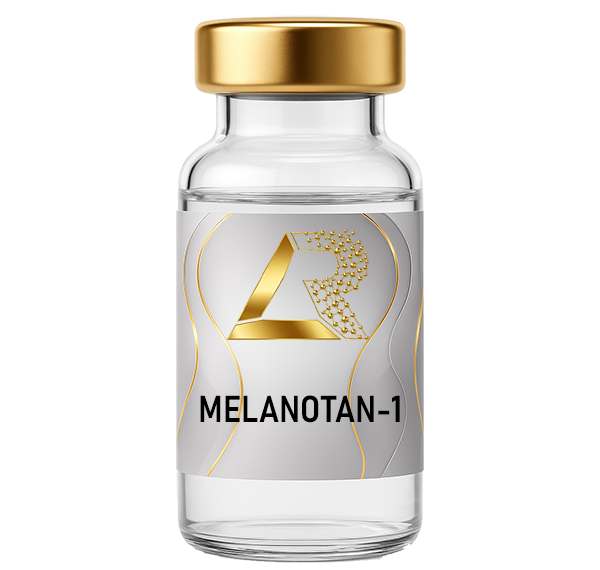
MELANOTAN 1 10MG
Melanotan 1, also known as Afamelanotide, is a synthetic analog of the naturally occurring alpha-melanocyte-stimulating hormone (α-MSH). It is researched for its ability to stimulate melanogenesis, the process of skin pigmentation.
$75.00 Original price was: $75.00.$70.00Current price is: $70.00.
The information provided on this page is intended solely as a general summary. It does not encompass all potential research applications, handling procedures, safety precautions, interactions, or observed effects. These products are supplied strictly for laboratory and research purposes only. They are not intended for human consumption, medical use, veterinary use, or diagnostic purposes. This information must not be considered a substitute for professional expertise, judgment, or regulatory guidance.
Money Back Guarantee
Guaranteed Quality
Fast Shipping
10+ Years Experience
Frequently Bought Together
SEQUENCE/FORMULA
MOLECULAR WEIGHT
1646.8 g/mol
PUBCHEM CID
- Studying its ability to influence natural skin pigmentation
- Investigating its potential to protect skin from sun damage
- Analyzing its effects on certain inflammatory skin issues
- Researching its secondary effects on metabolism and appetite
- Exploring its role in the brain pathways related to arousal
- Melanotan I (Afamelanotide) is a potent synthetic analogue of the naturally occurring alpha-melanocyte-stimulating hormone (α-MSH).
- It works by binding to and activating the melanocortin 1 receptor (MC1R) on melanocytes, which are the pigment-producing cells in the skin.
- Activation of the MC1R stimulates the production and release of eumelanin, the dark, photoprotective form of melanin.
- This increase in eumelanin results in a tan that provides a protective barrier against the harmful effects of ultraviolet (UV) radiation from the sun, reducing the risk of painful phototoxic reactions in EPP patients.
- It is more potent and has a longer half-life than the body's natural α-MSH.
- Langendonk, J. G., et al. (2015). Afamelanotide for Erythropoietic Protoporphyria. The New England Journal of Medicine, 373(1), 48-59.
- Lim, H. W., et al. (2015). A Phase 2, randomized, double-blind, placebo-controlled study to evaluate the safety and efficacy of afamelanotide for the treatment of nonsegmental vitiligo. Journal of the American Academy of Dermatology, 72(4), 681-687.
- Harms, J. H., et al. (2011). Afamelanotide: a review of its clinical efficacy and safety. Expert Opinion on Drug Safety, 10(2), 297-307.
- Plettenberg, H., et al. (2015). State of the art in treatment of vitiligo. Journal of the German Society of Dermatology, 13(1), 5-15.