
BPC-157 + TB500
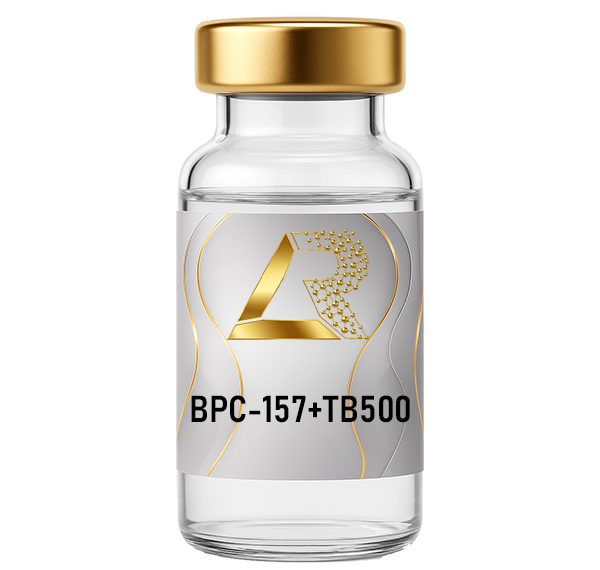
This blend combines BPC-157, a peptide known for potent localized tissue repair, with TB-500, a peptide that promotes systemic healing and cell migration. This synergistic combination of mechanisms is a subject of intense research for its potential to drastically accelerate recovery from musculoskeletal injuries and reduce widespread inflammation.
Specifications:
• BPC-157: 5mg, TB-500: 5mg
• Storage: -20°C, lyophilized
• Purity: >99% (HPLC)
$100.00 – $145.00Price range: $100.00 through $145.00
The information provided on this page is intended solely as a general summary. It does not encompass all potential research applications, handling procedures, safety precautions, interactions, or observed effects. These products are supplied strictly for laboratory and research purposes only. They are not intended for human consumption, medical use, veterinary use, or diagnostic purposes. This information must not be considered a substitute for professional expertise, judgment, or regulatory guidance.
Money Back Guarantee
Guaranteed Quality
Fast Shipping
10+ Years Experience
Frequently Bought Together
SEQUENCE/FORMULA
MOLECULAR WEIGHT
PUBCHEM CID
- Investigating the accelerated healing of tendons, ligaments, muscles, and bone (BPC-157).
- Studying protective and healing effects on the gastrointestinal system, such as with ulcers or IBD (BPC-157).
- Promoting rapid wound healing and tissue repair in skin, muscles, and eyes (TB-500).
- Analyzing potential neuroprotective effects and nerve repair (BPC-157).
- Exploring the reduction of inflammation and scar tissue formation (TB-500).
- Researching cardioprotection and the healing of heart tissue after injury (TB-500).
- Analyzing effects on improving flexibility in connective tissues (TB-500).
- Investigating its role in stimulating hair growth (TB-500).
- Exploring the promotion of angiogenesis (formation of new blood vessels) to improve blood flow to injured areas (Both BPC-157 & TB-500).
- Upregulates and regulates actin, a key protein for cell structure and movement, allowing rapid cell migration to injury sites (TB-500).
- Promotes tissue repair by upregulating the Growth Hormone Receptor and activating the VEGF pathway to create new blood vessels (BPC-157).
- Interacts with the Nitric Oxide (NO) system to help regulate blood flow, inflammation, and cellular health (BPC-157).
- Decreases inflammatory cells and cytokines at an injury site, resulting in a potent anti-inflammatory effect (TB-500).
- Protects the endothelium (lining of blood vessels) and promotes the outgrowth of tendon fibroblasts (BPC-157).
- Enhances the production of enzymes that facilitate tissue remodeling and repair (TB-500).
- Seiwerth, S., et al. (2018). BPC 157 and Standard Angiogenic Growth Factors. Synergistic Effects of BPC 157 and VEGF. Current Pharmaceutical Design, 24(18), 1958-1969.
- Chang, C. H., et al. (2011). The promoting effect of pentadecapeptide BPC 157 on tendon healing involves tendon outgrowth, cell survival, and cell migration. Journal of Applied Physiology, 110(3), 774-780.
- Goldstein, A. L., et al. (2012). Thymosin β4: a multi-functional regenerative peptide. Expert Opinion on Biological Therapy, 12(1), 37-51.
- Sikiric, P., et al. (2010). Pentadecapeptide BPC 157 in preventing and reversing corticosteroid-impaired muscle healing. Medical Science Monitor, 16(3), BR89-99.
- Crockford, D., et al. (2010). Thymosin beta4 promotes healing of corneal epithelial wounds in diabetic rats. European Journal of Ophthalmology, 20(3), 509-514.
- Shrivastava, S., et al. (2010). Thymosin β4 and cardiac repair. Annals of the New York Academy of Sciences, 1194, 87-96.