
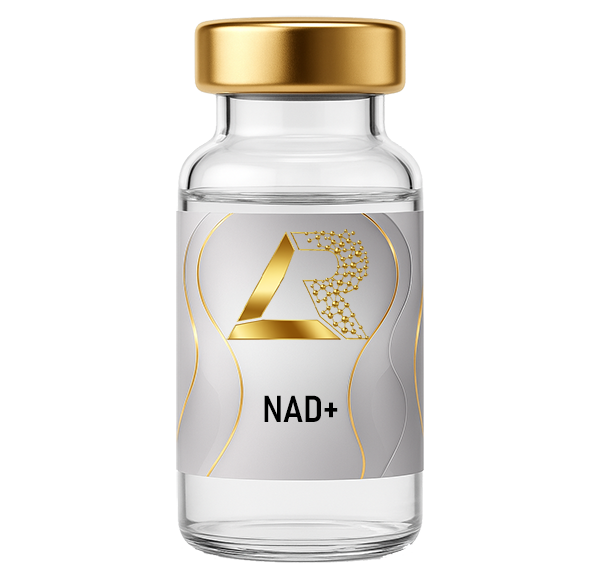
NAD+ 500MG
Nicotinamide Adenine Dinucleotide (NAD+) is a critical coenzyme found in every cell in the body. It is essential for cellular energy metabolism and is researched extensively for its role in aging, DNA repair, and overall cellular health.
$170.00 Original price was: $170.00.$98.00Current price is: $98.00.
The information provided on this page is intended solely as a general summary. It does not encompass all potential research applications, handling procedures, safety precautions, interactions, or observed effects. These products are supplied strictly for laboratory and research purposes only. They are not intended for human consumption, medical use, veterinary use, or diagnostic purposes. This information must not be considered a substitute for professional expertise, judgment, or regulatory guidance.
Money Back Guarantee
Guaranteed Quality
Fast Shipping
10+ Years Experience
Frequently Bought Together
SEQUENCE/FORMULA
MOLECULAR WEIGHT
PUBCHEM CID
- Studying its fundamental role in boosting cellular energy
- Investigating its connection to key anti-aging pathways in the body
- Analyzing its importance for maintaining and repairing DNA
- Researching its ability to protect brain cells and support cognitive health
- Exploring its role in maintaining a healthy sleep-wake cycle
- Energy Metabolism: NAD+ is a fundamental component of cellular respiration. It acts as an oxidizing agent, accepting high-energy electrons from molecules in processes like glycolysis and the Krebs cycle, becoming its reduced form, NADH. NADH then transports these electrons to the mitochondria, where they are used in the electron transport chain to generate large amounts of ATP, the cell's primary energy currency.
- Cellular Signaling and Repair: Beyond its role in energy, NAD+ is consumed by several critical enzyme families:
- Sirtuins: Often called "longevity genes," these proteins use NAD+ as fuel to perform essential functions like regulating inflammation, gene expression, and metabolic efficiency.
- PARPs (Poly (ADP-ribose) polymerases): When DNA damage is detected, PARPs consume large amounts of NAD+ to orchestrate the repair process.
- CD38: This enzyme, primarily on immune cells, is a major consumer of NAD+ and is involved in calcium signaling and immune responses. Its activity increases with age, contributing to the decline in NAD+ levels.
- Imai, S., & Guarente, L. (2014). NAD+ and sirtuins in aging and disease. Trends in Cell Biology, 24(8), 464-471.
- Johnson, S., & Imai, S. I. (2018). NAD+ biosynthesis, aging, and disease. F1000Research, 7, 132.
- Covarrubias, A. J., Perrone, R., Grozio, A., & Verdin, E. (2021). NAD+ metabolism and its roles in cellular processes during ageing. Nature Reviews Molecular Cell Biology, 22(2), 119-141.
- Schultz, M. B., & Sinclair, D. A. (2016). Why NAD+ declines during aging: It's destroyed. Cell Metabolism, 23(6), 965-966.